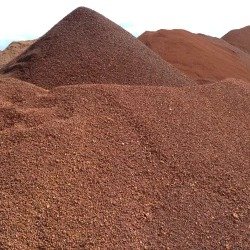
Ferro chrome production is essentially a carbothermic reduction operation taking place at high temperatures. Chromium ore (an oxide of Cr and Fe) is reduced by coal and coke to form the iron-chromium alloy. The heat for this reaction can come from several forms, but typically from the electric arc formed between the tips of electrodes in the bottom of the furnace and the furnace hearth. This arc creates temperatures of about 2,800 °C (5,070 °F). In the process of smelting, huge amounts of electricity are consumed, making production very expensive in countries where power costs are high.
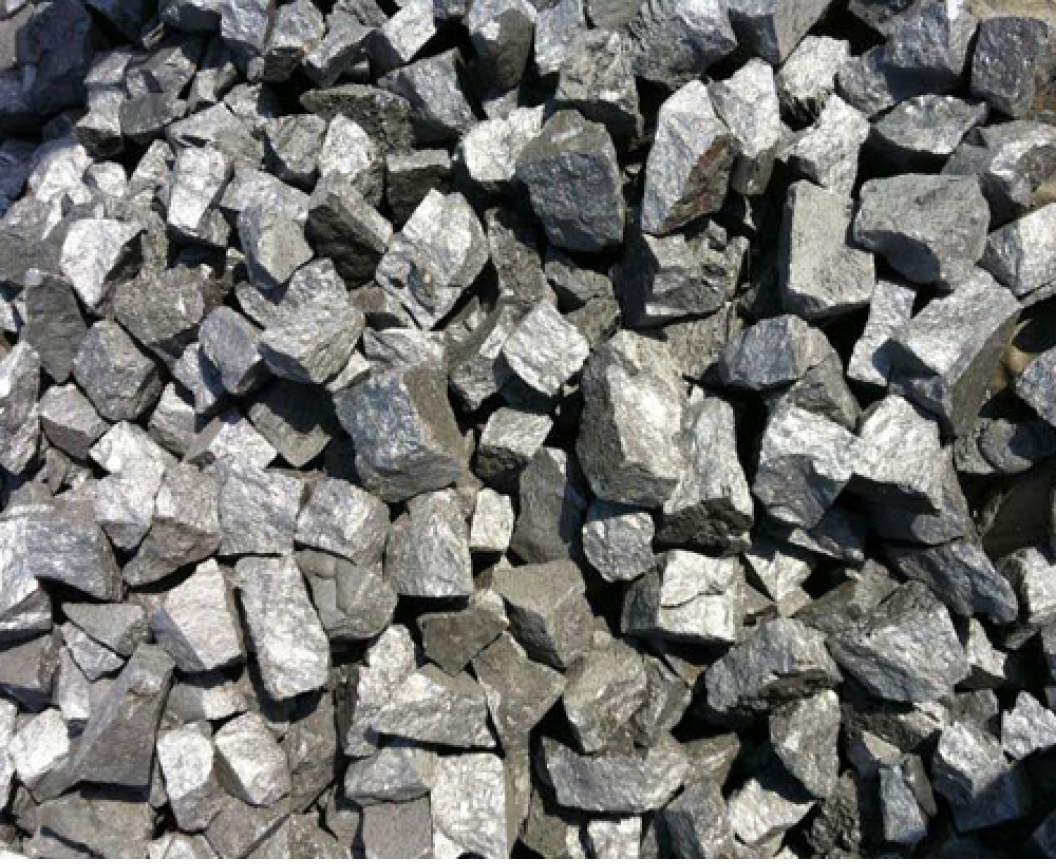
Tapping of the material from the furnace takes place intermittently. When enough smelted ferrochrome has accumulated in the furnace hearth, the tap hole is drilled open and a stream of molten metal and slag rushes down a trough into a chill or ladle. Ferrochrome solidifies in large castings which are crushed for sale or further processed.
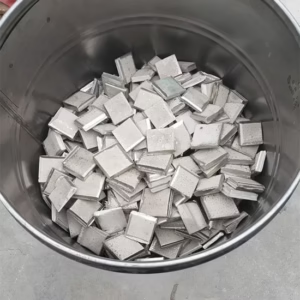
Ferro chrome is generally classified by the amount of carbon and chrome it contains. Vast majority of FeCr produced is “charge chrome” from South Africa, with high carbon being the second largest segment followed by the smaller sectors of low carbon and intermediate carbon material.